Not All Checkouts Are Equal: The Variable Fee Phenomenon Quietly Changing What Australians Pay at the Point of Sale
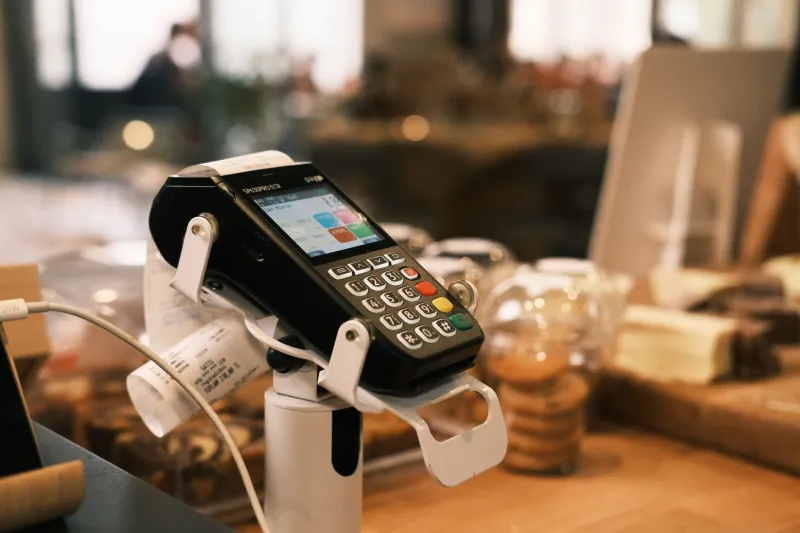
You present your card, tap the terminal, and the transaction completes in under a second. The amount debited matches the total displayed — or so you assume. But for a growing number of Australian consumers, the final cost of an identical purchase can differ meaningfully depending on the time of day, the card in their wallet, or even the device they used to order. This is not a glitch. In many cases, it is by design.
Dynamic surcharging — a practice that allows merchants to apply variable payment processing fees rather than a flat, disclosed rate — is quietly entering the Australian retail environment. While standard surcharging has been a familiar (and often contentious) feature of Australian commerce for years, the dynamic variant operates with considerably less transparency. Understanding the difference between the two is increasingly important for anyone who wants genuine control over what they spend.
What Standard Surcharging Actually Means
Under rules established by the Reserve Bank of Australia and enforced by the Australian Competition and Consumer Commission, merchants are permitted to pass on the cost of card acceptance to customers — but only up to the actual cost they incur. This is known as the "cost of acceptance" standard, and it is intended to prevent businesses from profiting from surcharges.
In practice, this means a flat surcharge — say, 1.1 per cent for Visa credit or 1.4 per cent for American Express — applied consistently at the point of sale. The customer sees it, the customer accepts or declines, and the transaction proceeds. It is a straightforward, if sometimes frustrating, arrangement.
Dynamic surcharging works differently. Rather than applying a fixed rate, the merchant's payment processing system calculates a variable fee in real time based on a range of inputs. The result is a surcharge that can fluctuate without the customer having any practical means of anticipating it beforehand.
The Inputs That Drive Variable Fees
The technology behind dynamic surcharging draws on several data points, some of which would surprise most consumers.
Payment method and card type remain the most common variables. Processing costs genuinely differ between a basic debit card and a premium rewards credit card, and merchants using dynamic systems can pass those differing costs through directly. The issue is that the final figure is often not disclosed until after the customer has committed to the transaction.
Time of day and transaction volume are increasingly factored in by larger processors. During peak trading periods, some systems apply marginally higher rates to offset the operational load on payment infrastructure. This is more common in high-volume hospitality and retail environments than most consumers would expect.
Order channel is another variable. The same item purchased through a merchant's app, their website, or at a physical terminal may attract different surcharge rates — not because the product differs, but because the payment pathway does. Card-not-present transactions (online purchases) typically carry higher processing costs for merchants, and those costs can be passed through dynamically.
Geographic and card-issuer data is a more contentious input. Some international payment processors have the technical capacity to adjust fees based on the issuing bank of the card being used, or even on the country in which that card was issued. While this is more prevalent in overseas markets, Australian consumers using foreign-issued cards domestically may encounter it.
Why This Is Harder to Spot Than a Standard Surcharge
A flat surcharge is easy to identify and challenge. It is either disclosed on the menu, the receipt, or the terminal screen prior to confirmation. Dynamic surcharging, by contrast, often presents simply as a slightly higher total — one that looks plausible enough that most customers do not question it.
Consider a café that charges $6.50 for a flat white. If a customer pays by Visa debit at 8am on a Tuesday, the surcharge might be $0.07. The same customer returning on a Friday afternoon and paying by Mastercard credit might see $0.11 added. Neither amount is large enough to trigger scrutiny, but across thousands of daily transactions, the difference is commercially significant for the merchant — and cumulatively meaningful for the consumer.
The opacity is compounded by the fact that many point-of-sale systems display only the final total, not the surcharge as a separate line item. Without a clear disclosure mechanism, consumers have no reliable way to know whether the fee they are paying reflects the actual cost of acceptance or a dynamically adjusted figure.
What the Regulatory Framework Currently Covers — and What It Does Not
The ACCC's surcharging rules are clear that merchants cannot charge more than their cost of acceptance. However, enforcement depends heavily on complaints being made and investigated, and the dynamic nature of variable surcharging makes it difficult to demonstrate a breach in any individual transaction.
The RBA has indicated ongoing interest in the surcharging landscape, particularly as digital payment volumes increase and the technology enabling variable fees becomes more accessible. However, as of the time of publication, there is no specific regulatory instrument targeting dynamic surcharging as a distinct practice. The existing framework treats all surcharges under the same cost-of-acceptance standard, regardless of whether the rate is fixed or variable.
This leaves a practical enforcement gap. A merchant applying a dynamic surcharge that occasionally exceeds the cost of acceptance — even marginally — may never be identified, because no single transaction presents a clear enough deviation to trigger a complaint.
How to Identify Whether You Are Being Variably Surcharged
There are several steps Australian consumers can take to identify whether a merchant is applying dynamic rather than flat surcharging.
First, request an itemised receipt and check whether the surcharge appears as a separate line item. Merchants are required to disclose surcharges, and a receipt that shows only a total without identifying the surcharge component warrants further inquiry.
Second, compare the surcharge percentage across different visits or payment methods. If you regularly patronise the same business, keep brief notes on the total paid versus the listed price. Meaningful variation across transactions using different cards is a signal worth investigating.
Third, ask directly. A merchant operating transparently should be able to tell you their surcharge rate and whether it varies by card type. Hesitation or vague responses are informative in their own right.
Finally, pay by EFTPOS where possible. Purchases routed through the domestic EFTPOS network — typically accessed by selecting "savings" or "cheque" on a terminal rather than "credit" — generally attract the lowest processing costs and are less susceptible to dynamic adjustment.
The Broader Picture for Australian Consumers
Dynamic surcharging is not inherently unlawful, and in some respects it represents a more accurate reflection of actual processing costs than a blunt flat rate. The concern is not the practice itself, but the absence of meaningful disclosure at the point at which consumers can still make an informed choice.
At iPay9 Australia, we believe that smart payments begin with informed consumers. The payment ecosystem in this country is becoming more sophisticated, and the fees embedded within it are becoming harder to see. Knowing what to look for — and knowing your rights when a surcharge seems inconsistent — is no longer optional for anyone who wants to stay in control of their financial decisions.
The price on the tag should be the price you pay. When it is not, you deserve to know exactly why.